

Red Light Therapy vs Blue Light: Why Biohackers are Switching Their Bulbs for Better SleepDoes it feel like your brain has 50 tabs open when you try to sleep at night? I can relate. For years, we were told that simply “putting the phone away” was enough to help us wind down. However, as we explored the science of biohacking, we discovered a more colorful truth—specifically involving red and blue light. In this guide, I’ll take you through the comparison Red light vs blue light of Red Light Therapy and Blue Light, how they influence your energy levels, and why changing just one thing in your bedroom could offer the greatest health benefits you’ve ever experienced. Red light vs blue light
The Science of Red Light vs Blue Light: How Light Influences Your Life
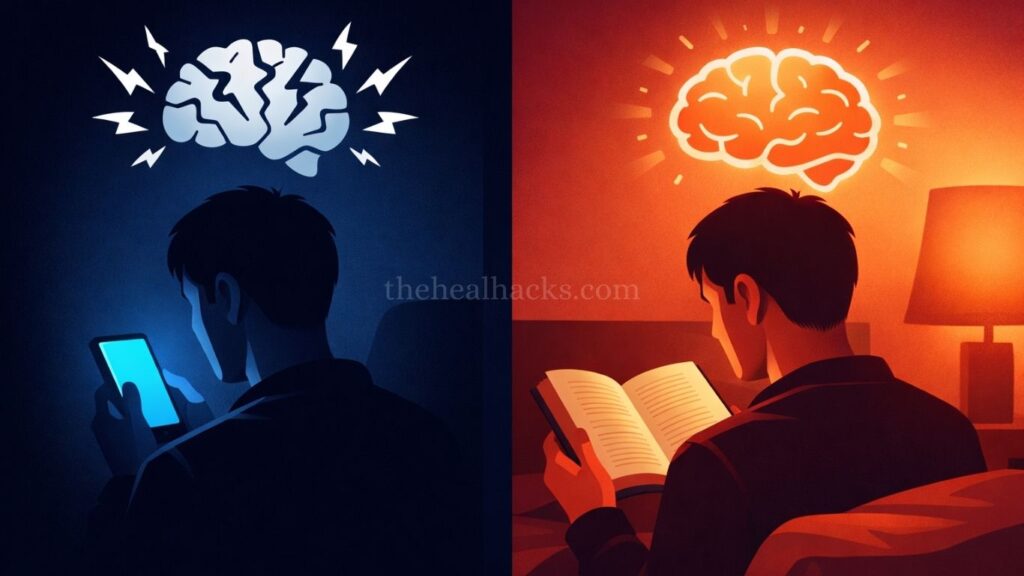
In the debate of Red Light vs Blue Light, understanding how light affects your sleep is the ultimate biohack. To grasp the difference between Red Light Therapy and Blue Light, we first need to discuss your internal clock, known as the Circadian Rhythm. Red light vs blue light
For thousands of years, humans have lived in sync with the sun. The blue wavelengths of morning sunlight signal us to wake up, while the orange and red hues of evening light prompt our brains to produce melatonin. Red light vs blue light
What does Blue Light do to you
“Research from Harvard Health shows that blue light wavelengths suppress melatonin for about twice as long as other lights, disrupting your sleep cycle.
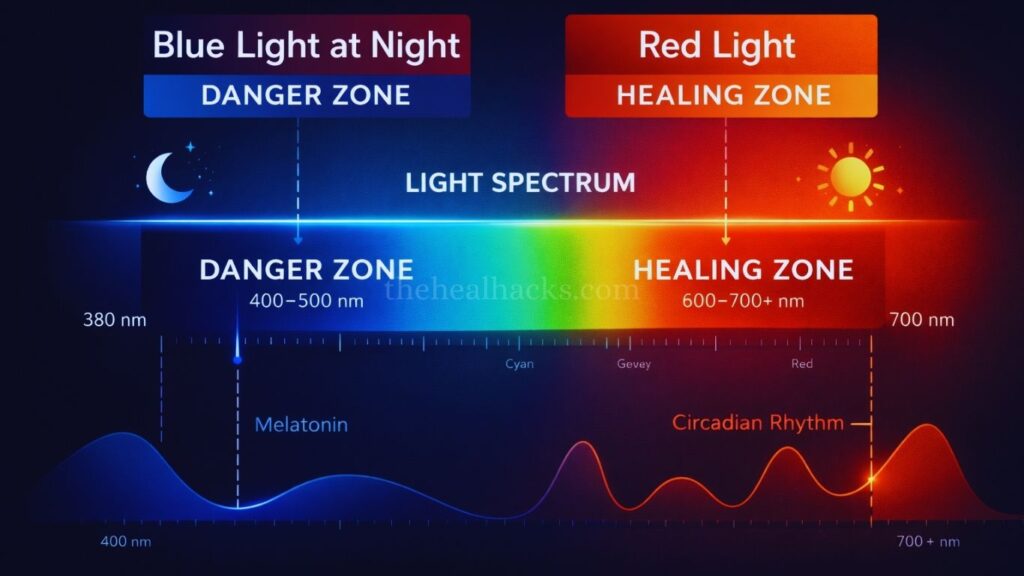
Blue light (450-490 nm) isn’t “bad”—it’s just often misunderstood. During the day, it’s beneficial! It enhances alertness. But when you’re exposed to it at 10 PM through your iPhone or LED lights, your brain gets tricked into thinking it’s still midday.
Our research shows that even just 30 minutes of blue light exposure before bedtime can reduce melatonin production by over 50%. This explains why you might feel “tired but wired. Red light vs blue light
Red Light Therapy vs Blue Light: The Melatonin Showdown
When comparing Red Light Therapy and Blue Light for nighttime use, it’s clear that red light comes out on top. It has a much lower color temperature and doesn’t activate the “stay awake” receptors in your eyes (melanopsin). Red light vs blue light
Red Light vs Blue Light: How Red Light Therapy Resets Your Brain
In contrast to blue light, red light (620-750 nm) helps the body shift into a parasympathetic (rest and digest) state. I personally started using a dedicated red light panel for 10 minutes each evening, and I noticed an immediate improvement in my “Deep Sleep” scores on my wearable tracker.
Why Biohackers Prefer Red Light: Red light vs blue light
1. Melatonin Protection: It doesn’t hinder the sleep hormone.
2. Mitochondrial Support: Specific red wavelengths assist your cells in producing ATP (energy) while you rest. Red light vs blue light
3. Eye Strain Relief: It alleviates “Digital Eye Strain” resulting from prolonged blue light exposure. Red light vs blue light
Do Blue Light Filters Actually Work
Many of you use “Night Mode” on your phones, but is that enough?
Our opinion: It’s more like a temporary fix than a real solution. While these filters change the screen to a warmer tone, the brightness still impacts your brain. In the showdown between Red Light Therapy and Blue Light, relying on software filters is like bringing a knife to a gunfight. To genuinely improve your sleep, you need to adjust the ambient light in your surroundings. As discussed in our previous guide on Blue Light Biohacking
Step-by-Step Guide to Biohacking Your Light Environment
If you want to take control of your sleep, here’s the protocol we suggest:
1. The Morning “Blue” Spike —Don’t shy away from blue light in the morning! Aim for 10 minutes of direct sunlight (natural blue light) within 30 minutes of waking up. This helps reset your internal clock.
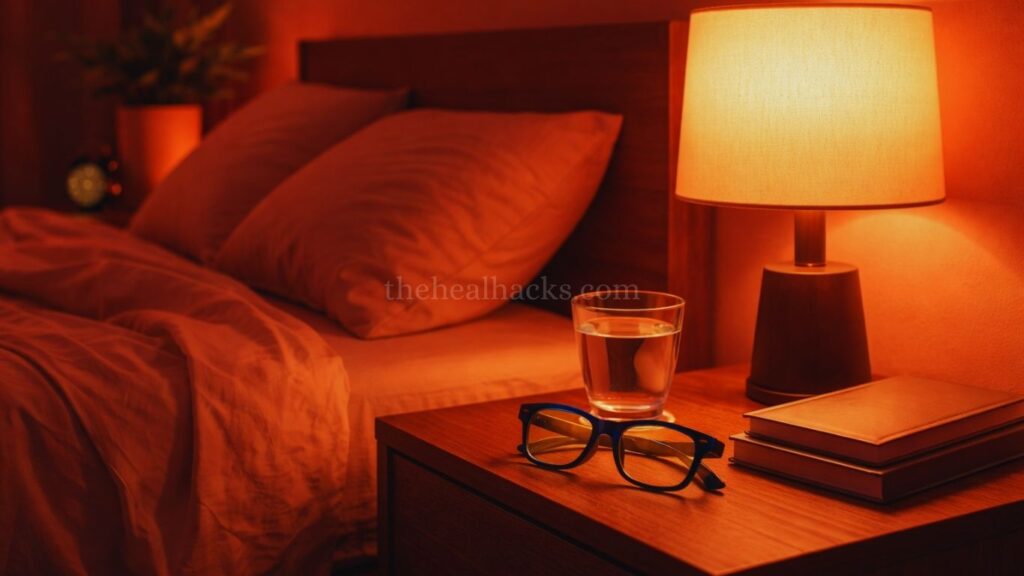
2. The “Sunset” Switch —Once the sun sets, turn off those overhead LED lights packed with blue light. Switch over to floor lamps with red-tinted bulbs instead.
3. The Red Light Therapy Session —If you’re serious about recovery, use a Red Light Therapy device for 10-20 minutes in the late afternoon or early evening. This prepares your cells for the repair phase during sleep.
Comparison Table: Red Light Therapy vs. Blue Light
| Feature | Blue Light (High Energy) | Red Light (Healing Energy) |
| Best Time | Morning And Early Afternoon | Evening And Before Bed |
| Effect on Melatonin | Suppresses it Heavily | No Negetive Impact |
| Biological Goal | Alterness And Focus | Relaxation And Repair |
| Primary Source | Sun, Screen , LEDs | Sunset,Red LED, Panels,Fire |
FAQS
1. Is it safe to sleep with a red light on
Yes, it’s definitely safer than any other color. However, for optimal REM sleep, we recommend a completely dark room. Use the red light to help you unwind, and then turn it off when it’s time to sleep.
2. Can Red Light Therapy replace sleep
No, it can’t replace sleep. It can improve the quality of your rest, but you’ll still need 7-9 hours. Think of it as a way to enhance your sleep rather than a substitute.
3. Does Red Light Therapy vs Blue Light affect skin
Absolutely! While blue light can cause oxidative stress, red light is often used in clinics to stimulate collagen production and heal the skin barrier.
4. Final Verdict: My 30-Day Experiment
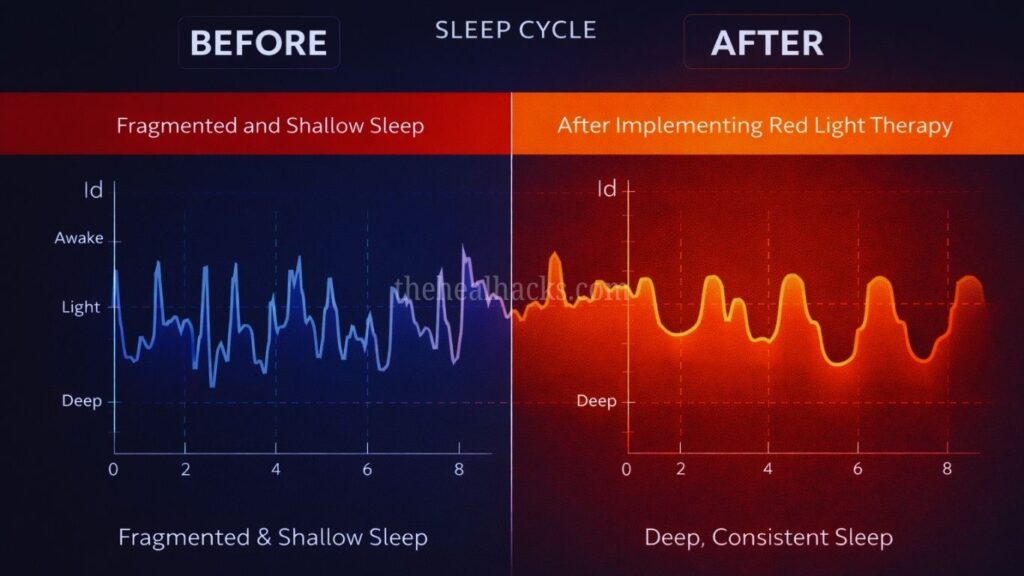
Once I started focusing on managing my exposure to Red Light Therapy versus Blue Light, I didn’t just get longer sleep—I got better sleep. The morning “brain fog” I used to have disappeared. We believe that light acts like a drug, and most people are overexposing themselves to the wrong kind at the wrong times. You have the ability to improve your biology. Start tonight: replace one white bulb with a red one. Your brain will be grateful!
For more biohacking tips, visit our The Heal Hacks home page
